
"outer skin"
500 article(s) found

The planting Environment of Coffee trees what kind of environment does coffee trees need to have?
The planting of coffee trees has great requirements on the environment. There are only two areas in China where coffee trees can be planted. The origin of coffee trees is Ethiopia in Africa. In botany, coffee tree belongs to the evergreen tree of the subgenus Rubiaceae, and coffee beans, commonly known as coffee beans, are the seeds of the fruit of coffee trees, just because they are shaped like beans, so they are called coffee.

Coffee trees, raw coffee beans and ripe beans tell you what coffee is.
Now coffee has come into our lives, and all kinds of coffee shops are all over the streets. While we enjoy delicious coffee, do you know the origin of coffee? The planting conditions of coffee trees the origin of coffee trees is in Ethiopia, Africa. In botany, the coffee tree belongs to the evergreen tree of the coffee subgenus of Rubiaceae, and the so-called coffee bean is coffee.

Coffee carving skills the growth environment and characteristics of coffee trees
Coffee beans are fresh and green coffee raw beans, which are obtained by removing red pulp, peel and silver skin from coffee fruit. The structure of coffee fruit is composed of outer skin, pulp, endocarp, silver skin and seeds. The shape is oval, usually the fruit of coffee is composed of two oval seeds opposite each other, and the other side is flat, so it is called flat bean, but it is also made up of

The planting environment of coffee trees introduces which countries are the most suitable for growing coffee
The first flowering period of the coffee tree is about three years old. the white five-petal tube-shaped flowers are filled with a faint scent of jasmine and the inflorescences are arranged in dense clusters. Flowers wither after two or three days of blooming and begin to bear fruit after a few months. The fruit is a drupe with a diameter of about 1.5 cm, which is green at first, then turns yellow gradually, and turns red after ripening, which is very similar to cherries.

Introduction of Rwanda Coffee varieties Malaba Coffee Chimeier Manor
Laba Coffee is grown in southern Rwanda, about 12 kilometers (7 miles) from the city of Butare and 150 kilometers (93 miles) from the capital, Gejali. The plan began in the Malaba area of Butare province, but was taken over by a local government organization in 2006, which is now part of the Huye district of the southern province. Due to its proximity to the East African Rift Valley and the Neuenway Forest Mountains, this area has many topography.

Geo-climatic production process of coffee beans in Rwanda
Malaba Coffee grows in southern Rwanda, about 12 kilometers (7 miles) from the city of Butare and 150 kilometers (93 miles) from the capital, Gejali. The plan began in the Malaba area of Butare province, but was taken over by a local government organization in 2006, which is now part of the Huye district of the southern province. Due to its proximity to the East African Rift Valley and the Neuenway Forest Mountains, the terrain

Rwandan coffee flavor aroma, Rwandan coffee bean output
Pay attention to the coffee review (Weixin Official Accounts vdailycom ) and find that the taste of Rwandan coffee is described as grassy aroma with tropical climate characteristics. In addition to the fruity sweetness of this coffee, it can also make people taste refreshing, clear and fresh. Bourbon coffee grown in Rwanda is amazing for its fruity sweetness

How long does it take for coffee to blossom to bear fruit? requirements of planting environment on natural conditions
How long does it take for coffee to blossom to bear fruit the requirements of the planting environment for natural conditions the first flowering period of the coffee tree is about three years. The white five-petal tube-shaped flowers are fluttering with a faint fragrance of jasmine, and the inflorescences are arranged in dense clusters. It will wither after two or three days of flowering and begin to bear fruit after a few months. The fruit is a drupe, about 1.5 cm in diameter and initially green.

[coffee knowledge] A brief introduction of roaster
Many people do not understand the principle of baking, so today Maoye will briefly introduce the two common modes of roaster on the market: direct roaster and semi-direct hot air roaster. As the name implies, the direct fire is to heat the coffee beans directly with a flame. Up to now, the direct fire includes not only the general flame (including gas furnace fire and charcoal fire), but also infrared.
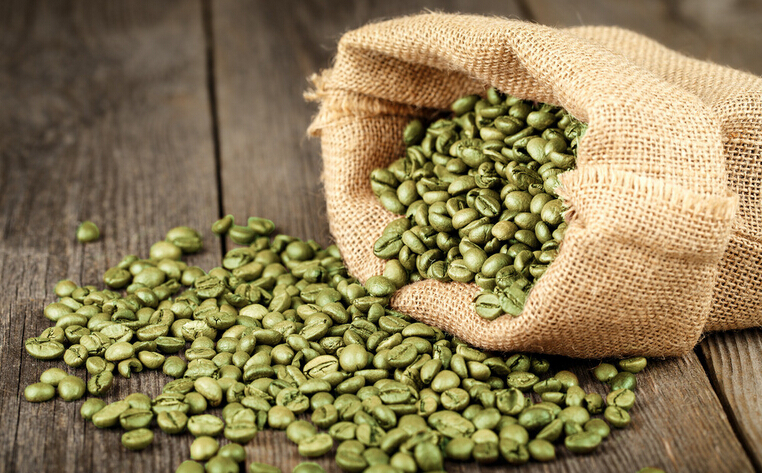
The classification of coffee beans. Classification of raw beans.
Plant classification Coffee tree belongs to the evergreen tree of Rubiaceae. Rubiaceae plants have been dominated by plants with special effects since ancient times, such as quinine tree, which is regarded as a specific drug for malaria, and Dugan, which is used to treat Amiba dysentery. Coffee is defined as the most unique alkaloid drinking flora. The fruit of coffee is made up of outer skin, pulp, endocarp, silver skin, and the species wrapped in the innermost layers mentioned above.
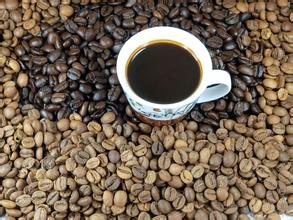
Types of coffee trees where do the most important coffee beans in the world come from?
The first flowering period of the coffee tree is about three years old. the five-petal tube-shaped white flowers are filled with a faint scent of jasmine and the inflorescences are arranged in dense clusters. Flowers wither after two or three days of blooming and begin to bear fruit after a few months. The fruit is a drupe with a diameter of about 1.5 cm. It turns green at first, then turns yellow gradually, turns red when ripe, and is very similar to cherries.
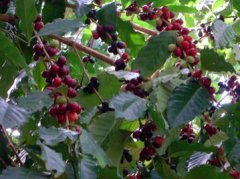
Basic knowledge of Coffee Coffee Tree Classification and growth picking period
Coffee tree belongs to the evergreen tree of Rubiaceae. Since ancient times, most of the plants of Rubiaceae are plants with special effects, such as quinine tree, which is regarded as a specific drug for malaria, and Dugan, which is used to treat amoeba dysentery. Coffee is defined as the most unique alkaloid drinking flora. The fruit of coffee consists of outer skin, pulp, endocarp, silver skin, and seeds (coffee beans) wrapped in the innermost layers mentioned above.

Taste of Rwanda boutique coffee beans Malaba coffee is introduced in the manor area.
Malaba Coffee grows in southern Rwanda, about 12 kilometers (7 miles) from the city of Butare and 150 kilometers (93 miles) from the capital, Gejali. The plan began in the Malaba area of Butare province, but was taken over by a local government organization in 2006, which is now part of the Huye district of the southern province. Due to its proximity to the East African Rift Valley and the Neuenway Forest Mountains, the terrain

Growing in the Lutesilo region of the western province of Malaba in southern Rwanda
Malaba Coffee grows in southern Rwanda, about 12 kilometers (7 miles) from the city of Butare and 150 kilometers (93 miles) from the capital, Gejali. The plan began in the Malaba area of Butare province, but was taken over by a local government organization in 2006, which is now part of the Huye district of the southern province. Due to its proximity to the East African Rift Valley and the Neuenway Forest Mountains, the terrain

The forming Environment of Coffee trees
In botany, coffee trees belong to the evergreen trees of the subgenus Rubiaceae, and coffee beans, commonly known as coffee beans, are actually the seeds of the fruit of coffee trees, just because they are shaped like beans. Climate is the decisive factor for coffee cultivation. Coffee trees are only suitable for growing in the tropics or subtropics, so the zone between latitude 25 degrees south and north is generally called coffee belt or coffee area.

How long does it take for a coffee tree to blossom to mature coffee berries?-Coffee tree planting
How long does it take for coffee trees to blossom to mature coffee berries-Coffee trees were planted in Hainan Province in the early 20th century, when overseas Chinese brought coffee back from Malaysia. Later, tropical and subtropical provinces in the south began to grow plant coffee one after another. Although it has been cultivated for a short time, coffee from Hainan and Yunnan provinces in China has excellent quality and unique charm, which is enjoyed internationally.

Common sense of Coffee planting requirements and conditions of Coffee trees
The origin of the coffee tree is Ethiopia in Africa. In botany, coffee trees belong to the evergreen trees of the subgenus Rubiaceae, and coffee beans, commonly known as coffee beans, are actually the seeds of the fruit of coffee trees. They are called coffee beans only because they are shaped like beans. Climate is the decisive factor for coffee cultivation. Coffee trees are only suitable for growing in the tropics or subtropics, so latitude 25 degrees south and north.
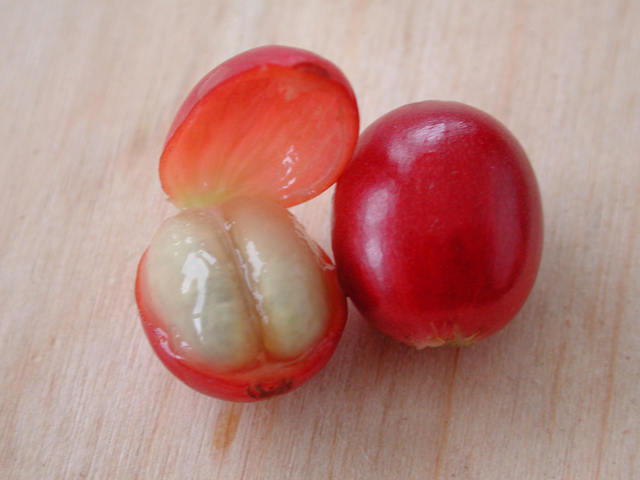
The treatment process from Coffee Fruit to Coffee Raw beans after picking Coffee Fruit
There are a pair of oval seeds in the center of the coffee fruit, which are covered with outer skin, endocarp and pulp. Ripe fruits rot in a short period of time without treatment, so the purpose of refining is to preserve coffee beans for a long time so that they can be stored and circulated. Refining is to remove the skin and pulp of the coffee fruit, and then take out the seeds. The general methods of refining are drying, washing, and

Introduction to the Development History of cultivation and planting techniques for Coffee seedlings
Coffee planting technology introduces the origin of coffee trees in Ethiopia in Africa. In botany, coffee trees belong to the evergreen trees of the subgenus Rubiaceae, and coffee beans, commonly known as coffee beans, are the seeds of the fruit of coffee trees, just because they are shaped like beans, so they are called coffee beans. Climate is the decisive factor for coffee cultivation, and coffee trees are only suitable for growing in the tropics or subtropics.
Coffee knowledge the generating environment of coffee trees
In botany, coffee trees belong to the evergreen trees of the subgenus Rubiaceae, and coffee beans, commonly known as coffee beans, are actually the seeds of the fruit of coffee trees, just because they are shaped like beans. Climate is the decisive factor for coffee cultivation. Coffee trees are only suitable for growing in the tropics or subtropics, so the zone between latitude 25 degrees south and north is generally called coffee belt or coffee area.